If you’ve ever wondered what really happens after something goes in the recycling bin—you’re not alone.
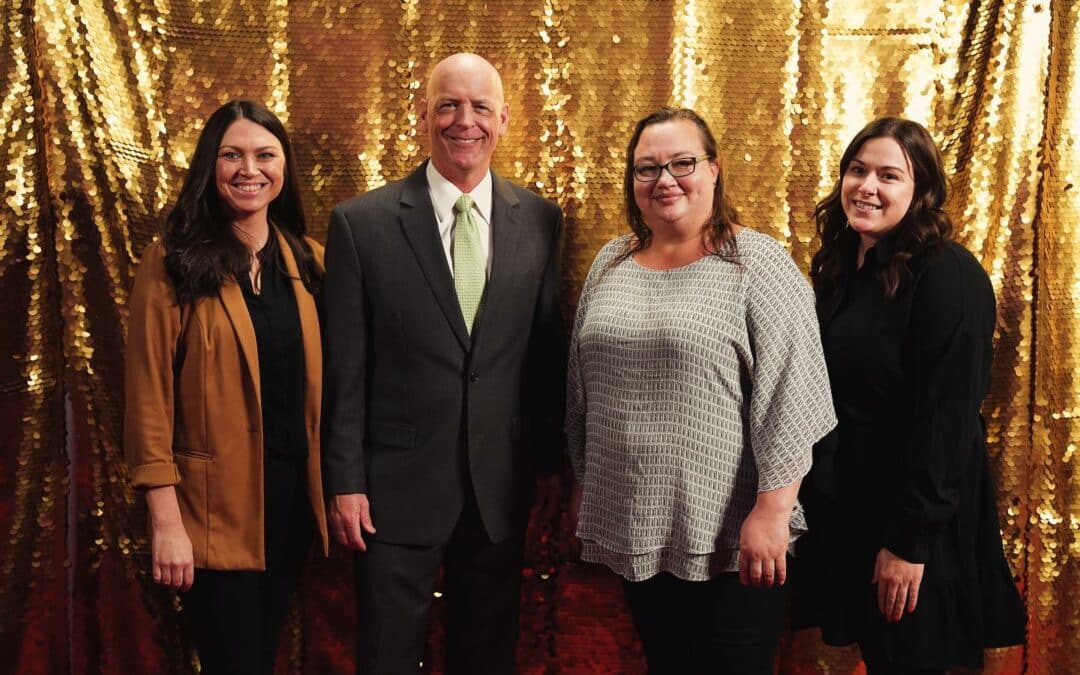
Recently, Shannon Dwire, President of Millennium Recycling, sat down with Star Media to walk through exactly what happens to recycling in our region—and how it all works behind the scenes.
Earth Month is a great time to pause and think about what happens to the materials we use every day—and where they end up.
At Millennium Recycling, that’s something we focus on year-round. Through education, partnerships, and community outreach, the goal has always been simple: help people understand how to keep more materials out of the landfill.
That’s exactly why BINfluencer exists.
What is BINfluencer?
BINfluencer is a nonprofit focused on waste diversion education across Sioux Falls and surrounding communities. It works alongside local organizations, businesses, and residents to make recycling, reuse, and responsible disposal easier to understand—and easier to act on.
One of the biggest tools supporting that effort is the “What Goes Where” search tool, which helps residents quickly find the right place for everyday items.
Sometimes, though, the hardest part isn’t finding the answer—it’s knowing what to search in the first place.
Introducing the Earth Day Giveaway
To make learning a little more fun (and a little more memorable), BINfluencer is hosting its second annual Earth Day Giveaway.
One participant will win a $250 gift card to the Washington Pavilion, valid for shows, exhibits, events, and more.
How it works
Instead of a typical entry form, this contest starts with a riddle:
I bring pizza to your house at night. I’m square and made to hold it tight. Cheese and grease can make a mess, so where I go can be hard to guess.
Participants solve the riddle, then use the BINfluencer search tool (or app) to look up the item. If they’re right, they’ll find a hidden code word in the item description.
From there, they submit the code for a chance to win.
A lot of recycling confusion comes down to everyday items—things that seem simple, but don’t always have a clear answer.
Pizza boxes are a perfect example.
They’re common, they’re recyclable… until they’re not. Grease, food residue, and mixed materials can all impact whether something belongs in the recycling bin, the trash, or somewhere else entirely.
That’s where tools like BINfluencer come in.
By helping people quickly find the right answer, we can:
reduce contamination
improve recycling quality
and make better use of materials already in our system
And when more materials stay in the system, it supports local jobs, reduces landfill use, and keeps resources working longer.
Get the app and try it yourself
Whether you’re entering the contest or just curious about how different items should be handled, the BINfluencer app and search tool are built to be simple and quick to use.
If you’ve ever second-guessed something before tossing it in the bin, this is for you.
Join us this Earth Month
The Earth Day Giveaway runs through April 30, and it’s open to anyone in the Sioux Falls area and surrounding communities.
It’s a simple way to test your knowledge, learn something new, and maybe win a great local experience.
Earth Month is a good reminder of something we don’t always think about day to day:
What we throw away—and where it ends up—matters.
A new report from the World Bank estimates that global waste could increase by 50% by 2050 if we continue on our current path.
That’s a BIG number—but the solution starts locally.
It Starts Right Here in Sioux Falls
Every box, bottle, and bag thrown away in Sioux Falls goes somewhere.
Trash goes to the landfill
Curbside recycling is processed locally at Millennium
And everything depends on how materials are sorted before they ever leave your home or business
We already have the system in place. The biggest opportunity is using it the right way.
The Missed Opportunity We See Every Day
The report highlights that about 30% of waste globally is not properly managed.
Here in the Sioux Falls area, the challenge looks a little different:
Recyclables ending up in the trash
Contamination turning good material into waste
Items being thrown away simply because people aren’t sure what to do with them
That’s not just waste—it’s lost value.
Why It Matters Locally
When recyclable materials are thrown away:
Landfill space fills up faster
Costs increase over time
Valuable materials are lost instead of reused
At the same time, recycling supports something bigger: Over 90% of what’s processed at Millennium stays in the Midwest to make new products.
That means the choices made here in Sioux Falls directly support regional jobs and manufacturing.
The Materials That Make the Biggest Difference
Globally, the largest portions of waste include food, paper, cardboard, and plastics. Locally, we see the same thing: Cardboard boxes, paper and mail, bottles, containers and cans.
These are some of the easiest materials to recycle—and some of the most commonly missed.
Not Sure Where It Goes? Start Here.
Recycling isn’t always as simple as the bin—and that’s okay.
The easiest way to get it right is to look it up before you toss it.
When it comes to recycling, there are a few universal rules we should all live by, no matter where you live.
1. Always check your local requirements
The most important rule in recycling is knowing what you can recycle. This means checking with your city or local recycler on what they accept. Why? Not all recycling facilities are created equal and there is no uniform process across every facility. The collection method, sorting process, and downstream processor relationships of your local recycler all determine what they can accept.
For example, in Sioux Falls we have single stream recycling. This means that all household recyclables are collected in one, single bin. When they get to the recycling facility, they are sorted with our automated equipmentthat separates out specific categorieswe have set the equipment up for.
After all of the materials are sorted, they are sent to our regional processing partners who all have unique requirements what they can accept based on their own cleaning, melting, and/or shredding processes.
2. Avoid Non-Recyclable Items.
Once you know what you CAN recycle, avoid buying things you can’t. For example, choose a plastic bottle of juice (YES!) instead of an individual juice pouch (No); Choose a disposable paper coffee cup (YES!) instead of a styrofoam cup (No); Choose paper wrapping paper for gifts (YES!) instead of foil or laminated giftwrap (No); Choose paper bags at the grocery store (YES!) instead of plastic (No, not in the single stream); Choose an item packaged in a cardboard box (YES!) instead of the same item packaged in a plastic bag (No); Skip the straw at restaurants and drink straight from the cup!
3. Reuse as Much as Possible.
Avoid wasting more by reusing as much as you can! You can bring your own bag to the grocery store, bring reusable containers or bags for fruits, veggies and bulk foods, reuse disposable plastic silverware, or bring your own reusable straw to restaurants and convenience stores. Just because something can’t be recycled in your area doesn’t mean you can’t find another use for it. Flex your creativity and think about how you can repurpose something – dive into Pinterest for ideas!
4. Recycle Clean Items.
Before tossing your recyclables in the bin, try to remove any food or liquids. Leftover milk in a jug, oil in a bottle, or cottage cheese in a tub can contaminate all other clean materials, especially paper and cardboard. Small amounts of food or liquid won’t interfere with most recycling processes, but if everyone leaves a little it can quickly turn into a lot when we’re recycling in bulk!
Help the process out by giving your containers a quick scrape. If in doubt, give it a rinse, let it dry and toss it in. If it’s too contaminated and you can’t get it empty or clear, don’t recycle it.
A great example is a pizza box… if it’s full of food and grease, rip that part off and recycle just the clean cardboard.
5. Find Alternative Recycling Options.
If something can’t go in your recycling bin, it doesn’t mean it can’t be recycled. Many different companies and services make up the landfill diversion effort, your recycling bin is just one of them.
Ask your city where to take items that can’t go in the bin to avoid sending them to the landfill. In Sioux Falls, you can use the free BINfluencer app to search for all types of items. If they’re not recyclable, it will direct you to the local waste directory full of options to bring non-recyclable waste.
Millennium started single stream recycling in 2007, allowing all materials to be placed into one, single, mixed bin. Prior to single stream, items had to be sorted into different categories before they were collected. Over the years, we have added various types of items to the accepted list, like cartons and paper cups, but how do we choose what we can (and cannot) accept in the bin?
Market Demand: The need of material from processors like paper mills or plastic recyclers ultimately dictates what we can accept. If there is not enough demand for a certain material (plastic bags), if we cannot collect enough of it (odd types of items), or if it’s not able to be handled by our end-processors (to-go plastics), we cannot accept it as we would have nowhere to send it for recycling.
Location and Logistics: We must be able to collect enough of the material, in consistent quantities, with a reliable processor in place located within a reasonable distance from our facility to make the collection, sorting and transportation of an item make sense — over 90% of the material we sort ends up being used right here in the Midwest.
Customer Demand: The demand from communities we serve and their desire to educate, collect, and pay for the service plays a large role in what we can accept. Some communities choose to not collect certain items that we accept due to a low material value or service cost (glass, for example).
Ability to Sort: Our single stream equipment sorts out all of the materials we accept in the bin. We do not include anything that can jam or damage our equipment, or anything that processors will not accept or consider contamination.
Any other questions? Please ask! We are here to help with any and all recycling questions you have! Want to see it for yourself? Join us for a tour!